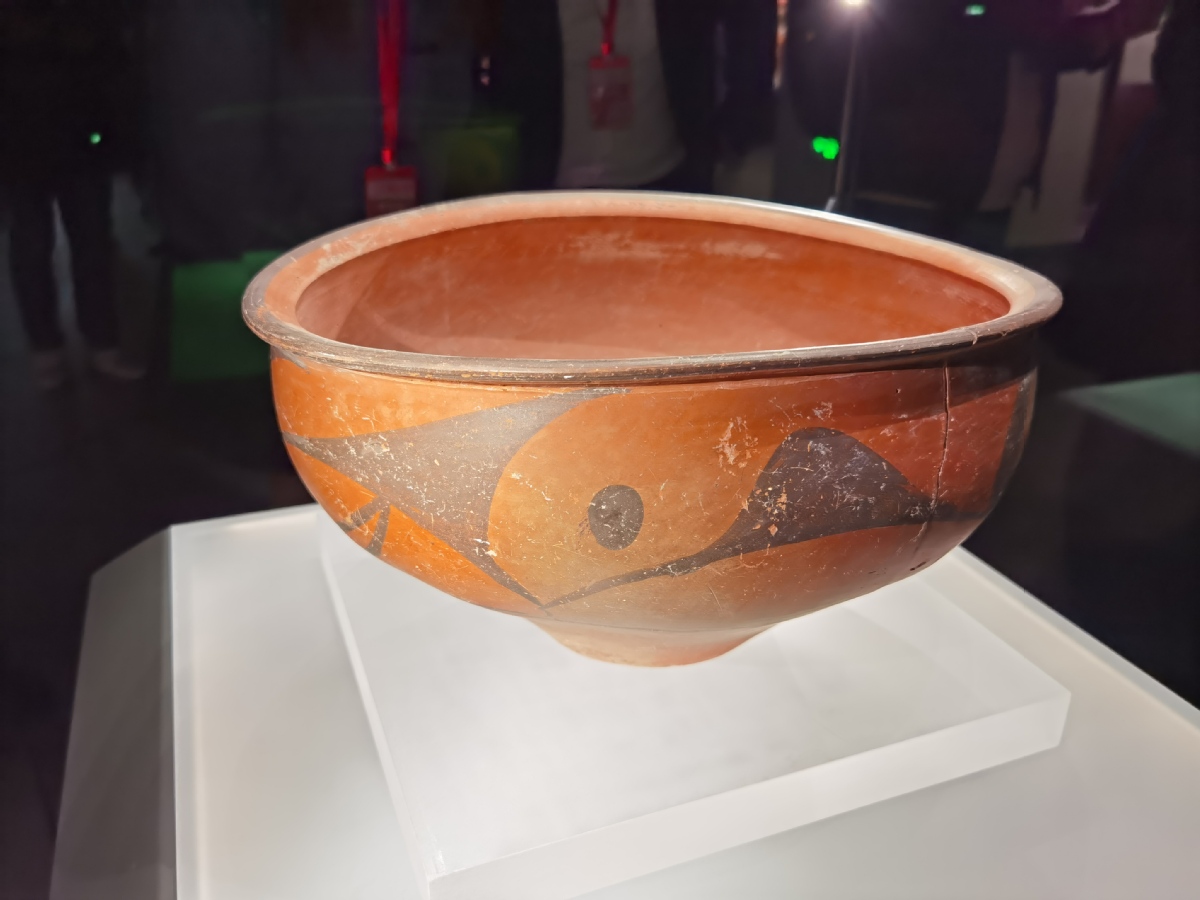
Yangshao Culture
Introduction
The Yangshao Culture is a pivotal Neolithic culture that flourished in China along the middle reaches of the Yellow River approximately between 5000 BC and 3000 BC. It is renowned for its painted pottery and advanced pottery-making techniques, which symbolize one of the earliest phases of Chinese civilization. The culture is named after the site in Yangshao village, Henan province, where it was first discovered in 1921 by Swedish geologist Johan Gunnar Andersson. This discovery marked the beginning of modern archaeology in China.
Yangshao Culture is predominantly known for its painted pottery, which presents intricate designs and patterns, including human and animal figures, that provide valuable insights into the social and religious life of the time. The pottery was typically made from fine clay and was often colored in red, black and white hues. The painted designs on these pottery pieces are considered to represent some of the earliest forms of Chinese art. In addition to decorative pottery, the culture produced utilitarian ware like jars, bowls, and plates, which were often used for cooking, storage and rituals.
Discovery and Archaeological Significance
The unveiling of the Yangshao Culture began with excavations at the Yangshao village in 1921 led by Johan Gunnar Andersson, who identified a distinctive Neolithic culture characterized by its painted pottery. The site in Henan was pivotal in initiating systematic archaeological studies in China, marking the inception of modern Chinese archaeology. Over the past century, extensive archaeological work has unveiled a comprehensive picture of the Yangshao Culture, mostly concentrated along the upper and middle reaches of the Yellow River.
The Yangshao Culture was structured around agricultural communities that primarily grew millet, although evidence suggests the practice of rice cultivation as well. The society constructed semi-subterranean homes with thatched roofs, which were often organized into villages with a communal center. Excavations at various sites have also revealed evidence of social hierarchy through burial practices, with some graves containing more elaborate goods than others.
Technological and Cultural Influences
Technologically advanced for its time, the Yangshao people utilized stone and bone tools, which were crucial for their agricultural practices. The culture also demonstrated a sophisticated understanding of pottery-making, which included kilns and advanced firing techniques. The Yangshao Culture is believed to have played a significant role in the spread of agricultural practices and cultural elements across China, influencing subsequent cultures such as the Longshan Culture.
Excavations and Recent Discoveries
Numerous archaeological sites have been linked to the Yangshao Culture, including the Banpo site near Xi'an, which reveals a typical matriarchal clan settlement with rich artifacts demonstrating the daily life of its inhabitants. The excavations, such as those at the Miaodigou and Xipo sites, have provided further insights into the culture's peak periods and its architectural advancements, including the use of semicircular tiles for building constructions. These findings have highlighted the culture’s contributions to the origin and development of civilization in the Yellow River basin.
The legacy of the Yangshao Culture is reflected in its extensive influence on the development of early Chinese civilization. Its advancements in pottery, agriculture and settlement organization laid the foundation for future cultural and technological developments in the region. The culture is considered an essential stream of Chinese civilization, showcasing the complexity and richness of Neolithic life in China.








